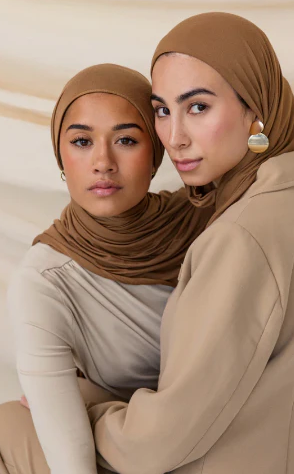
A hijab that works at the office or on a casual day does not automatically work during a workout. Movement, sweat, heat, and the need for the fabric to stay fixed without constant adjustment create a specific set of requirements that most everyday hijab fabrics are not built for. If you have ever tried to run or do yoga in your regular hijab and spent half the session readjusting it, this is why.
The right hijabs for workout use are essentially a different category from the rest of your hijab wardrobe. Here is what actually matters.
What Makes a Hijab Work for Exercise
The requirements for a workout hijab are more demanding than for everyday wear. The fabric needs to stay in place during dynamic movement without pins that could shift, scratch, or become uncomfortable. It needs to manage heat well enough that it does not become unbearable during intense activity. It needs to sit close to the head without sliding backward or forward as you bend, jump, or stretch.
Jersey is the best starting fabric for athletic hijab use. The knit structure gives jersey a natural grip against the undercap and hair, which prevents sliding during movement without requiring multiple pins. The stretch in jersey fabric moves with the body rather than pulling or restricting. Unlike woven fabrics, jersey does not bunch or crease under pressure, which means it stays looking clean through an active session.
Moisture-wicking jersey or performance knit fabrics designed specifically for athletic wear perform even better than standard jersey for exercise, as they manage heat and moisture more actively. If your workouts are intense or long, it is worth looking for hijabs designed with athletic activity in mind rather than reaching for your everyday hijabs from your wardrobe.
See also: What Is a Rug Pull in Crypto?
The Undercap Makes or Breaks a Workout Hijab
Before choosing the outer hijab, the undercap matters more in athletic settings than in any other context. An undercap that slips or bunches during exercise creates a problem that no outer hijab can solve.
For workout use, choose a snug-fitting undercap in a performance or sports jersey fabric that sits firmly at the hairline without being so tight it causes pressure or headaches during extended exercise. The cap should cover the full head including the neckline so that when you bend forward or move dynamically, the hair underneath stays fully covered without the cap shifting.
Cotton undercaps are comfortable for low-activity wear but can absorb moisture and feel heavy during intense exercise. For moderate to high-intensity workouts, a performance fabric undercap manages moisture and sits lighter against the head through the full session.
Pinning for Athletic Hijab Wear
The fewer pins you use during a workout, the better. Pins that work fine for sitting at a desk can become uncomfortable during exercise when the head moves repeatedly in multiple directions. A pin that digs into the scalp during a yoga forward fold or becomes loose during running is a real problem.
The goal for workout hijab styling is to achieve a secure hold with one pin or none. A jersey outer hijab with a good-quality snug undercap can stay in place during most forms of exercise with just one pin at the chin or back of the neck for additional security.
Use flat safety pins rather than decorative pins for exercise. Flat pins have no protruding edge that can catch on clothing or press into the scalp during dynamic movement. Position any pin at the back of the neck, where it is less likely to create pressure during forward-facing activity, rather than at the chin or jaw.
Hijab Styles That Work Best for Different Workout Types
Low-impact activities including yoga, pilates, walking, and barre: A standard jersey cross-wrap with a good undercap and one back-of-neck pin is usually sufficient. The movements are controlled enough that the hijab does not need to be maximally secured.
Moderate-impact activities including cycling, weight training, and group fitness classes: A tighter cross-wrap or a hijab style that ties or tucks at the back of the head provides more security for repeated bending and lifting. The hijab needs to stay positioned through exercises that involve leaning forward.
High-impact activities including running, HIIT, and court sports: This is where purpose-designed sports hijabs perform better than adapted everyday styles. A very close-fitting jersey or performance hijab with a built-in or separate sports undercap that sits firmly on the head is the most reliable approach. Every additional pin or layer adds a potential problem point in high-impact settings.
Managing Heat and Comfort During Exercise in a Hijab
Heat management is the most common comfort challenge in workout hijab wearing. Multiple layers of fabric around the head trap heat that needs to escape during intense exercise.
Keep the layer count minimal. One snug undercap and one lightweight outer hijab is the target. Additional layers, multiple wraps, or heavy fabrics add heat that makes intense exercise harder to sustain.
Lighter colors in the outer hijab absorb less heat than dark colors in outdoor exercise settings. For outdoor running or sports, a light grey, cream, or soft blue jersey hijab traps less radiant heat than a black one. For indoor exercise, color matters less.
Ventilation comes from the outfit rather than the hijab. Wearing a lightweight, breathable workout top and shorts or leggings allows the body to manage temperature even when the head covering adds some warmth. The outfit works around the hijab’s heat profile rather than fighting it.
Frequently Asked Questions
What is the best hijab fabric for exercise?
Jersey is the most practical fabric for most workout types because it grips without pins, stretches with movement, and does not bunch or crease under dynamic activity. For high-intensity exercise, a purpose-designed performance fabric hijab manages heat more effectively than a standard jersey everyday hijab.
How do I stop my hijab from slipping during a workout?
Start with a snug, close-fitting performance undercap that sits firmly at the hairline. Use a jersey outer hijab rather than a woven fabric. Secure with one flat pin at the back of the neck if needed. The undercap is the most important variable: a hijab that slips during exercise almost always traces back to an undercap that is moving.
Can I swim in a hijab?
Yes, but a standard everyday hijab is not designed for swimming. Purpose-designed swim hijabs in polyester or nylon fabrics are built for water, stay in place when submerged, and dry quickly. Using an everyday jersey or modal hijab in water will result in a heavy, slow-drying fabric that does not hold its position.
Is it safe to wear hijab pins during a workout?
One flat safety pin at the back of the neck is generally safe for most workout types. Avoid decorative or protruding pins during exercise. For high-impact activities, a no-pin jersey style with a tight undercap is safer and more practical than any pinned approach.
How do I choose between an everyday jersey hijab and a sport-specific hijab for exercise?
For low to moderate activity, an everyday jersey hijab with a good undercap is sufficient. For high-intensity exercise, running, or court sports, a purpose-designed sports hijab with moisture management and a secure fit will perform noticeably better and make the workout more comfortable to sustain.
Shop VELA’s full hijab collection and read the complete guide to athletic hijab styling for practical advice on active modest dressing: velascarves.com/blogs/vela-blog/hijabs-and-fitness-how-to-be-an-athletic-hijabi