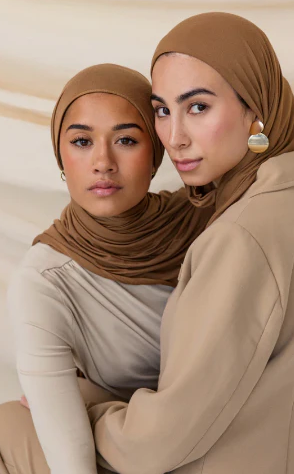
In modern offices, dressing professionally balances function, perception, and personal expression. A practical wardrobe centers on versatile pieces—tailored trousers, smart shirts, refined blazers in neutral tones that mix and match. Fit, durable fabrics, and appropriate silhouettes matter to convey competence without rigidity. Alignment with role and culture is essential, while subtle personal flair remains permissible. The approach invites ongoing refinement as expectations evolve, leaving a clear incentive to consider how small tweaks can yield steady credibility.
What Professional Style Looks Like in Modern Offices
In modern offices, professional style blends traditional standards with practical adaptability. The analysis describes attire as a system rather than a costume, balancing function with perception. Clear criteria guide choices amid a dress code hierarchy, reducing ambiguity. Attention to potential conflict of interest ensures clothing supports credibility. Flexibility exists, yet standards remain, fostering consistent, respectful presentation aligned with organizational values and expectations.
Building a Versatile Wardrobe: Essentials for Smart Casual
A versatile wardrobe for smart casual environments begins with core pieces that balance polish and practicality.
The discussion identifies dependable fabric choices, neutral tones, and adaptable silhouettes as the foundation of a versatile wardrobe.
Smart casual staples include tailored trousers, smart shirts, and a refined blazer.
Pieces should mix and match for controlled simplicity, enabling professional expression without excess formality.
Navigating Industry Culture: Aligning Attire With Role and Company
Navigating industry culture requires a deliberate alignment of attire with both role expectations and corporate norms, recognizing that dress codes function as signals about responsibility, professionalism, and fit.
The discussion highlights industry culture and role alignment in attire, noting how company specific dress codes shape expectations while encouraging outfit normalization across teams, enabling coherent presentation without sacrificing personal freedom.
Troubleshooting Common Pitfalls and Practical Outfit Tweaks
Troubleshooting common pitfalls and practical outfit tweaks requires a systematic approach to identify recurring issues and implement targeted adjustments. The discussion emphasizes observant assessment of fit, fabric behavior, and occasion appropriateness, minimizing distraction. Practical tweaks include embracing contemporary tailoring, refining silhouettes, and balancing color psychology to convey authority without rigidity, ensuring consistent professionalism across diverse environments while honoring individual freedom and expression.
See also: The Future of Green Innovation
Frequently Asked Questions
How Do I Dress for Video Conferences Without Appearing Underdressed?
A prudent strategy for video conference attire balances polish and authenticity; it avoids underdressed signals by selecting a crisp top and neutral blazer, ensuring appropriate contrast, while the rest remains comfortable for freedom-loving professionals navigating modern communication.
What Are Subtle Indicators of Over- or Under-Dressing in Meetings?
A delicate balance, like a tightrope across glass, reveals subtle indicators of over- or under-dressing in meetings. Subtle indicators—fit, fabric, and tone—signal adherence to meeting dress codes, avoiding underdressing and overdressing while preserving professional freedom.
How Can I Tailor Professional Attire for Remote or Hybrid Roles?
A tailored wardrobe for remote professionalism emphasizes versatility: the individual selects structured tops, subtle color palettes, and dependable fabrics, adapting layers for camera visibility and comfort. This approach supports remote professionalism while preserving personal freedom within professional standards.
Which Fabrics Are Best for Varying Office Climates and Seasons?
The best fabrics adapt to office climates with climate appropriate fabrics, favoring lightweight wools for cooler days and breathable linens for heat, complemented by seasonal layering; these options ensure comfort while maintaining professional appearance.
How Should I Address Dress Code Conflicts With Personal Beliefs?
Addressing dress code conflicts with personal beliefs in workplace requires respectful dialogue, clear policy references, and practical wardrobe accommodations. Cultural considerations should guide flexible options, ensuring professional presentation while acknowledging individual values within reasonable limits.
Conclusion
In conclusion, careful containment of color, cut, and coordination cultivates credible, cultivated professionalism. Committee-approved clothing choices convey competence, control, and courtesy, curbing casual missteps while encouraging consistent credibility. Subtle sartorial signals showcase self-assurance, style, and steadiness, shaping respectful relationships and steady success. Practical, prudent pieces—prepared in neutral palettes, paired with precise silhouettes—promote polished presence, professional poise, and persistent perception. Strategic styling sustains steady progression, signaling sophistication, self-didelity, and social stability across sensory, social, and semantic settings.